
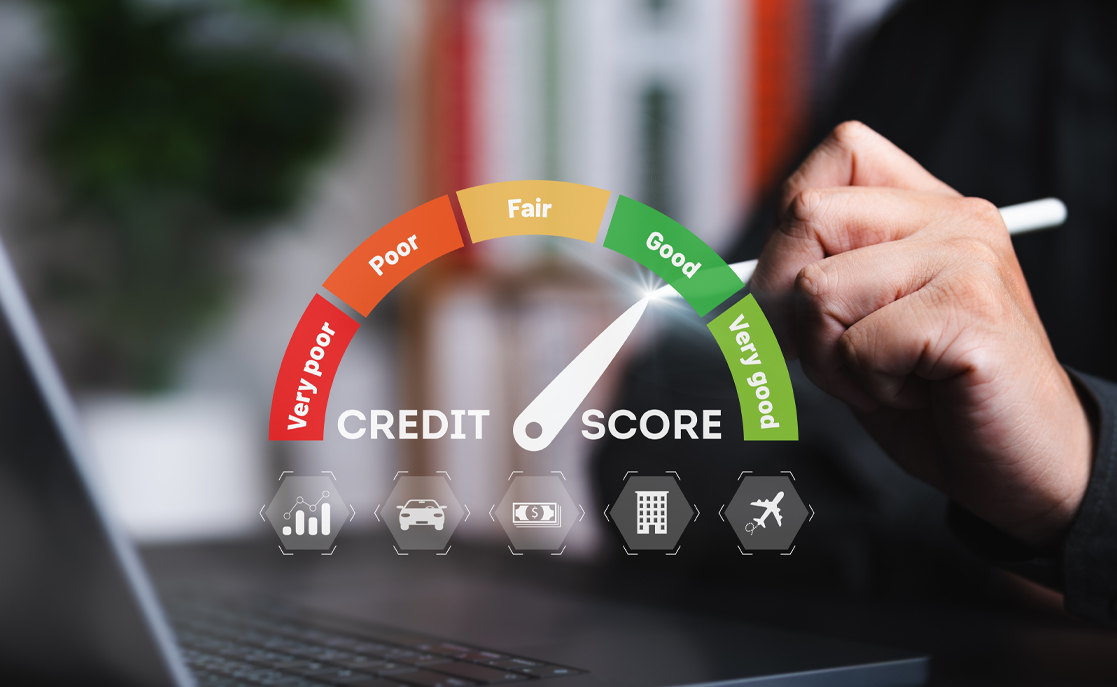
How to Build Credit While Saving for Your RGV Dream Home
Picture it: a home designed around the way your family lives, on a lot you picked, in a Rio Grande Valley neighborhood you love. For many families considering home construction in Edinburg, McAllen, and across the Valley, that picture starts long before the first slab is poured. It starts with two numbers: your credit score and your savings balance.
The good news is that you don’t have to choose between them. Building credit for a home and saving for a down payment work best side by side, and the habits that strengthen one almost always help the other. This guide walks you through the strategies that matter most, so that when you’re ready to build, your finances are ready too.
Why Building Credit for a Home Matters Before You Build

Your credit score shapes two things: whether a lender approves your loan, and how much that loan costs you every month. According to Bankrate’s July 2026 analysis of myFICO data, a borrower with a score of 780–850 could expect a monthly payment of about $1,918 on a $300,000, 30-year fixed loan. A borrower in the 620–639 range would pay about $2,089 for the same loan. That’s roughly $170 more a month, and more than $60,000 in extra interest over the life of the loan.
Villanueva Homes helps you build without the burden of a construction loan, which speeds up the build and saves you money. Your credit score still matters, because lenders use it to set the terms and cost of any home loan you take out. Requirements vary by lender, but the takeaway is clear: a stronger score gives you more options.
What Credit Score Do You Need to Buy a House?
Minimum scores depend on the type of loan. Here’s a quick look at common guidelines, based on Bankrate and Total Mortgage:
| Loan type | Typical minimum credit score |
|---|---|
| Conventional | 620 |
| FHA | 580 with 3.5% down; 500 with 10% down |
| VA | No government minimum; lenders often want 620 |
| USDA | No government minimum; lenders often want 640 |
Keep in mind that these are minimums. Every point above them can mean a lower rate and a smoother approval. That’s why getting pre-approved by a lender is worth doing early, so you know exactly where you stand and what you can comfortably afford.
How to Build Credit to Buy a House: 5 Proven Strategies

Your FICO score is built from five factors, according to myFICO: payment history (35%), amounts owed (30%), length of credit history (15%), new credit (10%), and credit mix (10%). The strategies below target the factors that carry the most weight.
1. Check Your Credit Reports First
You can’t improve what you can’t see. Pull your free reports from Equifax, Experian, and TransUnion at AnnualCreditReport.com, the official site for free credit reports. Look for accounts you don’t recognize, late payments you know were on time, and balances that are out of date. If you find an error, dispute it directly with the credit bureau. Checking your own credit is a “soft” inquiry and won’t lower your score.
2. Pay Every Bill on Time, Every Time
Payment history is the single biggest factor in your score. One payment that’s 30 or more days late can stay on your report for up to seven years, so consistency is everything. A few simple habits help:
- Set up autopay for at least the minimum payment on every card and loan.
- Add calendar or phone reminders a few days before each due date.
- Ask your card issuers to move due dates so they line up with your paydays.
- Don’t forget utility, phone, and medical bills, which can hurt your credit if they go to collections.
3. Pay Down Debt and Lower Your Credit Utilization
“Amounts owed” makes up 30% of your score, and a big part of it is credit utilization: how much of your available credit you’re using. A common rule of thumb is to keep utilization under 30%, and under 10% is even better. If you have a $5,000 limit, that means keeping your balance below $1,500.
Focus extra payments on the card with the highest interest rate (the “avalanche” method) or the smallest balance (the “snowball” method). Either works; pick the one you’ll stick with. And once a card is paid off, think twice before closing it. Older accounts help your length of credit history, and closing one reduces your available credit.
4. Avoid Unnecessary Credit Inquiries
Every time you apply for a new credit card, auto loan, or store financing, the lender runs a “hard” inquiry that can shave a few points off your score. New credit accounts for 10% of your FICO score, and opening several accounts in a short time signals risk. While you’re preparing to build, hold off on financing a new truck, furniture, or appliances. Those purchases can wait until after closing.
There is one exception worth knowing about. When you shop for a mortgage, the Consumer Financial Protection Bureau explains that multiple credit checks from mortgage lenders within a 45-day window are recorded as a single inquiry. So go ahead and compare lenders; just do it within a focused window.
5. Keep Your Debt-to-Income Ratio in Check
Your debt-to-income ratio (DTI) isn’t part of your credit score, but lenders weigh it heavily. To calculate it, add up your monthly debt payments and divide by your gross monthly income. For example, $1,800 in monthly debt on $6,000 of monthly income is a 30% DTI. Paying down balances lowers your DTI and your utilization at the same time, which is why reducing debt is one of the most powerful moves you can make.
How to Save for a Down Payment on a Custom Home
While your credit is improving, your down payment fund should be growing. Start by setting a clear target. On a $350,000 home, for example, 3.5% down is $12,250, 10% is $35,000, and 20% is $70,000. You’ll also want to budget for closing costs and keep a separate emergency fund, so a surprise expense doesn’t send you back to your credit cards.
These strategies make the goal feel more manageable:
- Open a dedicated high-yield savings account. Keeping your home fund separate from everyday spending makes it easier to protect and track.
- Automate it. Schedule a transfer on every payday so saving happens before you have a chance to spend.
- Roll paid-off debt into savings. When a card or loan is paid off, keep “paying” that same amount into your home fund.
- Put windfalls to work. Tax refunds, bonuses, and overtime pay can move your timeline up by months.
- Trim and redirect. Review subscriptions and recurring expenses, and send the savings straight to your down payment account.
Getting started may be closer than you think. With Villanueva Homes, you can reserve your lot with a $3,000 down payment, then work with our team on a custom floor plan while your savings continue to grow.
Texas First-Time Homebuyer Programs That Can Help
Texas offers down payment and closing cost assistance that can bridge the gap between what you’ve saved and what you need. Two statewide organizations run these programs, and each offers up to 5% of the loan amount in assistance, with minimum credit scores that start at 620:
- Texas State Affordable Housing Corporation (TSAHC): Home Sweet Texas and Homes for Texas Heroes, the latter designed for teachers, first responders, corrections officers, and veterans.
- Texas Department of Housing and Community Affairs (TDHCA): My First Texas Home for first-time buyers, and My Choice Texas Home, which isn’t limited to first-time buyers.
Program terms, income limits, and eligible loan types change, so ask a participating lender which options work with your plans. Notice the common thread, too: a credit score of 620 or higher is the starting point for these programs, which is one more reason to start building credit now.
A 12-Month Game Plan for Building Credit and Savings Together
Here’s a simple timeline to keep both goals moving at the same pace:
| Timeline | Credit goals | Savings goals |
|---|---|---|
| Months 1–2 | Pull all three credit reports, dispute errors, and set up autopay on every account. | Open a high-yield savings account and set your down payment target. |
| Months 3–6 | Pay down high-interest balances and bring utilization under 30%. | Automate payday transfers and build a starter emergency fund. |
| Months 7–10 | Avoid new credit applications and keep every payment on time. | Roll paid-off debt payments and windfalls into your home fund. |
| Months 11–12 | Get pre-approved and compare lenders within a 45-day window. | Confirm your down payment and closing cost budget, and explore assistance programs. |
Start Planning Your RGV Dream Home Today
Building credit for a home takes patience, but every on-time payment and every dollar saved brings you closer to the keys. While you prepare, start dreaming about the details. Explore our communities in McAllen, Edinburg, Alton, and Mercedes, browse available properties, and find inspiration in our portfolio and home exteriors gallery.
Want to keep learning? Read our guides on budget-smart questions to ask Rio Grande Valley home builders, how to choose the right lot in McAllen, and what to expect during new home construction.
When you’re ready to take the next step, Villanueva Homes is here to help you turn your plans into a home built around your family. Call our sales team at (956) 232-8648 to schedule a consultation.
Frequently Asked Questions About Building Credit for a Home
How long does it take to build credit to buy a house?
It depends on where you’re starting. If you’re new to credit, it typically takes at least six months of account activity to generate a FICO score. If you already have credit, focused efforts like paying down balances and correcting report errors can raise your score within a few months, while recovering from late payments or collections can take a year or more.
Do I need a construction loan to build with Villanueva Homes?
No. Villanueva Homes helps you build without the burden of a construction loan, which speeds up the build and saves you money. To talk through your build, call our sales team at (956) 232-8648.
Does checking my own credit score lower it?
No. Checking your own credit is a soft inquiry and has no effect on your score. Only hard inquiries, which happen when you apply for new credit, can lower it.
Does paying rent help build credit?
Rent payments usually don’t appear on your credit report unless your landlord or a rent-reporting service reports them. If on-time rent is one of your strongest habits, ask your property manager whether they report payments, or consider a reporting service.
Should I pay off debt or save for a down payment first?
For most buyers, the answer is both. Prioritize high-interest credit card debt, since it drags down your score and your budget, while setting aside a smaller amount each month for your down payment and emergency fund.
How much should I save for a down payment?
It depends on your loan type. FHA loans allow as little as 3.5% down with a 580 score, and conventional loans can go lower than 20%. Remember to budget for closing costs as well.
Can I buy a house with a 600 credit score?
It’s possible. FHA loans allow a minimum score of 580 with 3.5% down. However, a higher score usually means a lower interest rate, a lower monthly payment, and more loan options.
This article is for general informational purposes only and is not financial advice. Loan requirements and assistance programs change and vary by lender. Speak with a qualified mortgage professional about your situation.