
How South Texas Climate Shapes the Way We Build Homes
If you’ve lived in the Rio Grande Valley for more than one summer, you already know the weather influences more than how you dress or when you water the lawn. It dictates how a house should be built.
Triple-digit heat, Gulf humidity, intense sunlight, heavy rain, and hurricane season all leave their mark on a home. Homeowners in milder climates rarely have to account for all of these conditions at once.
At Villanueva Construction, every material, system, and detail should work with the South Texas climate, from the foundation and site drainage to the insulation, windows, and roof.
Why Climate Comes First in South Texas Home Building
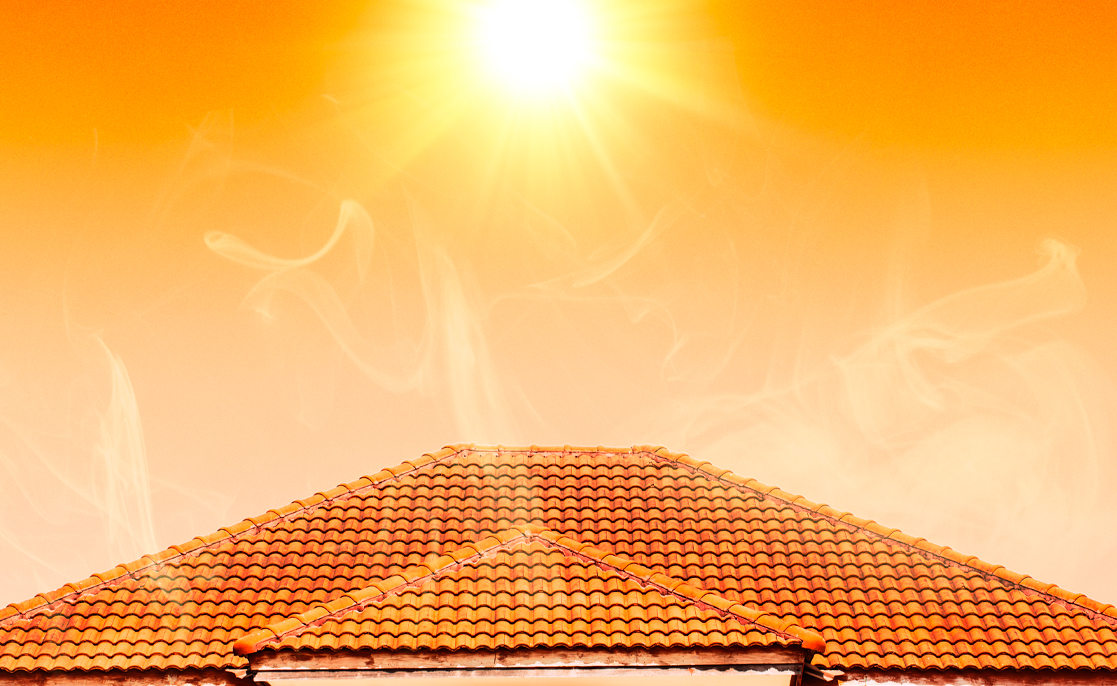
The Rio Grande Valley sits at the intersection of three demanding conditions. Summer heat is prolonged and pushes roof surface temperatures well past 150°F. Humidity keeps the air heavy even after the sun goes down. Hurricane season runs from June through November. A home designed for a drier or cooler climate simply won’t hold up. That’s why builders who specialize in this region treat heat, moisture, and storm resistance as core design requirements.
That means building a home in South Texas isn’t simply about choosing attractive finishes and creating the right floor plan. The home’s design and construction need to respond to the environment around it.
For homeowners planning custom homes in South Texas, climate should be part of the conversation from the earliest stages of design.
Home Orientation and Shade Matter More Than You Might Think
One of the most overlooked parts of climate-conscious home design is the home’s orientation.
The position of the house on the lot affects how much direct sunlight reaches the windows, walls, and roof throughout the day. In a hot climate, reducing unwanted solar heat gain can make the home more comfortable and reduce the amount of work required from the HVAC system.
Architectural features such as deep roof overhangs, covered patios, porches, exterior shading, and strategically placed windows can help limit direct afternoon sunlight while still allowing homeowners to enjoy natural light and outdoor living spaces.
This is particularly valuable in the RGV, where outdoor living is a major part of how many homeowners use their property.
Heat-Resistant Materials: The First Line of Defense
In South Texas, a house is fighting heat for much of the year. That’s why exterior materials matter just as much as the floor plan inside.
Reflective or light-colored roofing can reduce solar heat absorption, while durable siding materials can help resist fading, warping, and deterioration associated with prolonged exposure to sun and heat.
Deep roof overhangs and covered porches can also shade walls and windows during the hottest parts of the day. This helps reduce solar heat before it reaches the interior.
Windows Are an Important Part of the Building Envelope
Window selection matters just as much as roofing and siding.
Low-E coatings and high-performance double-pane windows can reduce solar heat gain while still allowing natural light into the home. ENERGY STAR notes that high-performance windows, properly installed insulation, and comprehensive air sealing work together as part of a complete thermal enclosure system.
Cutting corners on window quality can therefore affect more than appearance. It can influence comfort, energy efficiency, and the amount of heat entering the home.
We explore this issue in more detail in The Hidden Costs of Cheap Windows in Custom Homes in South Texas.
Energy-Efficient Insulation for a Cooling-Dominated Climate
Homes in colder regions are primarily designed to hold heat in. South Texas homes have a different challenge: keeping heat out.
That distinction affects everything from wall assemblies to attic design.
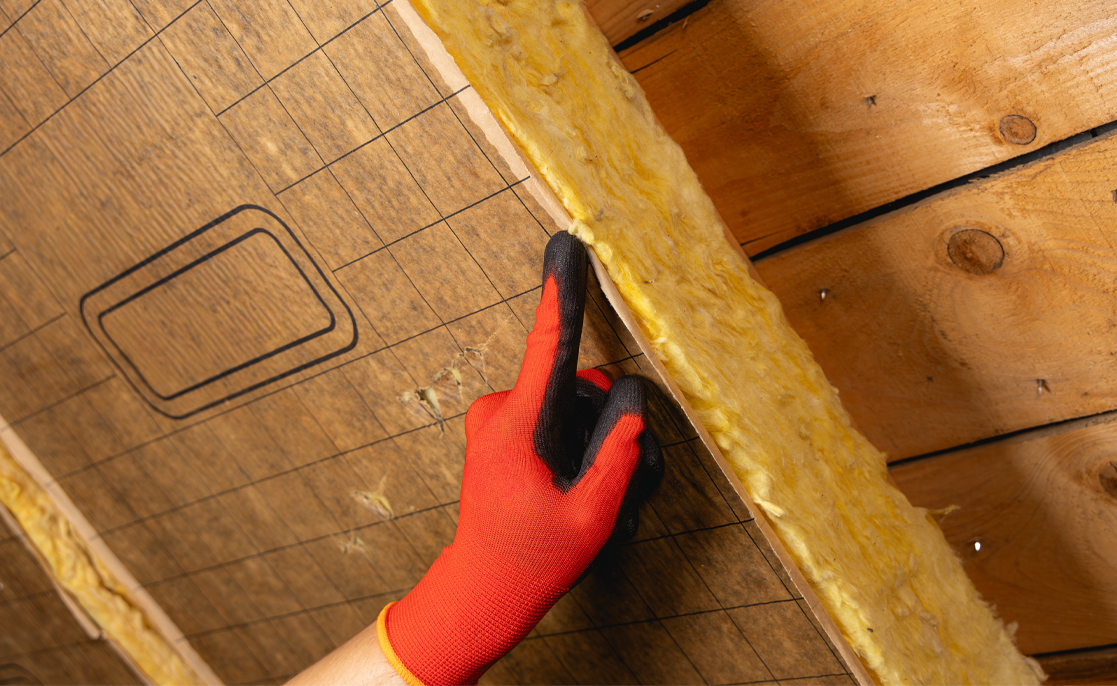
Spray foam and high-performance batt insulation can create a more effective thermal envelope when properly selected and installed. Air sealing is equally important because gaps and penetrations can allow conditioned air to escape and outdoor air to enter.
ENERGY STAR recommends treating insulation and air sealing as part of a complete thermal enclosure rather than viewing insulation as an isolated component.
Radiant barriers may also be incorporated into attic assemblies to help reduce heat transfer into conditioned areas.
The goal isn’t simply to add more insulation. It is to create a building envelope that works as a complete system.
Why HVAC Design Matters in South Texas

Even a well-insulated home still needs an HVAC system capable of handling the local climate.
Because cooling is such a significant part of energy use in South Texas, HVAC equipment should be appropriately sized for the specific home rather than selected using a simple square-footage rule.
A professional load calculation considers factors such as the home’s size, orientation, windows, insulation, air leakage, and other characteristics that affect heating and cooling demand.
Oversized equipment isn’t automatically better. An improperly sized system may cycle differently than intended and may not manage indoor humidity as effectively as a properly designed system.
This is one reason the HVAC system should be considered during the design and construction process rather than treated as an afterthought.
Ventilation and Humidity Control for South Texas Homes
Heat isn’t the only challenge. Humidity is a major part of what makes South Texas summers feel oppressive, and poor moisture management can contribute to long-term problems.
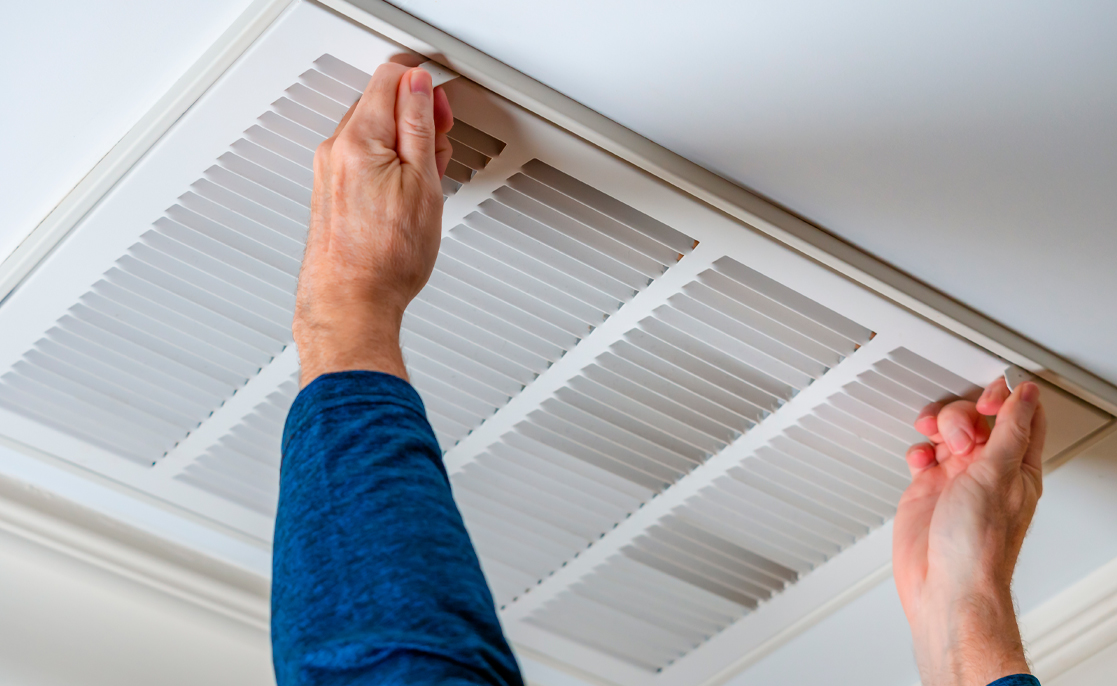
Proper attic ventilation helps manage heat and moisture in the attic assembly. Inside the home, ventilation systems can provide fresh air while the HVAC system manages temperature and humidity.
The building envelope also matters. Gaps around windows, doors, penetrations, ducts, plumbing, and electrical components can allow unwanted outdoor air and moisture to enter.
The U.S. Environmental Protection Agency recommends controlling moisture, repairing leaks, maintaining appropriate indoor humidity, and ensuring that water drains away from the foundation.
For South Texas homes, moisture control should therefore be considered throughout the entire building system.
Storm-Ready Roofing and Structural Connections
South Texas homes also need to account for severe weather during hurricane season.
Roofing materials are important, but the strength of the entire roof assembly matters. Proper fastening, connections, anchors, and structural load paths help transfer forces from the roof through the walls and ultimately into the foundation.
This is where construction details become particularly important.
The Texas Department of Insurance windstorm program provides information about windstorm inspections, building requirements, and certification for eligible properties. Homeowners should always confirm the requirements applicable to their specific property and location rather than assuming every home has the same requirements.
For homes subject to Texas windstorm requirements, current code requirements should also be reviewed during the planning process. TDI’s adopted-code information is particularly relevant for projects beginning under the state’s current windstorm certification requirements.
Impact-rated windows and doors may provide additional protection from wind-borne debris where required or appropriate.
Homeowners who want to see how exterior materials and design choices come together on completed homes can explore our exterior portfolio.
Moisture Management Starts at the Foundation
Moisture doesn’t only come from hurricanes or major storms. In a humid climate, water management is a year-round consideration.
Proper site grading helps direct water away from the foundation instead of allowing it to collect around the house. Gutters and downspouts should also be designed to move roof runoff away from the foundation.
The EPA specifically recommends making sure the ground slopes away from the foundation and keeping rainwater from collecting around the home.
These details may not be visible once a home is finished, but they can have a significant impact on the home’s long-term durability.
Protecting the Home From Moisture Inside the Walls
Moisture management continues beyond the foundation.
Flashing around windows and doors, properly detailed roof penetrations, vapor-control strategies, sealed transitions, and appropriate drainage planes all help manage water as it moves through or around the building envelope.
The objective isn’t to assume that water will never reach the exterior of the building. The objective is to make sure water has a controlled way to drain away before it can damage moisture-sensitive materials.
This matters because moisture problems can be difficult and expensive to correct after construction. EPA building-design guidance emphasizes that proper foundation and moisture-control planning can help prevent problems before they become major issues.
Building Materials Should Match the RGV Environment
Choosing materials for a South Texas home isn’t only about aesthetics.
The local environment should influence decisions about:
- Roofing materials
- Exterior siding
- Windows and doors
- Insulation
- Air sealing
- HVAC equipment
- Attic assemblies
- Foundation drainage
- Flashing
- Exterior finishes
- Patio and porch design
A material that performs well in another region isn’t necessarily the best choice for a home exposed to South Texas heat, humidity, sunlight, and severe weather.
That is why material selection should be considered alongside the home’s location, orientation, design, and expected performance.
Energy Efficiency Is About More Than Lower Utility Bills
Energy-efficient construction is often discussed in terms of monthly savings, but the benefits go beyond the utility bill.
A better-performing thermal envelope can help maintain more consistent indoor temperatures. Proper air sealing can reduce unwanted air movement. High-performance windows can limit solar heat gain. Appropriate HVAC sizing can improve comfort and help manage humidity.
ENERGY STAR notes that comprehensive air sealing, insulation, and high-performance windows can improve comfort and durability while reducing maintenance costs and monthly utility expenses.
For homeowners planning to stay in their home for many years, these performance considerations can be just as important as the visible finishes.
Designing for Indoor and Outdoor Living
Climate-conscious construction doesn’t mean sacrificing the features that make an RGV home enjoyable.
Covered patios, outdoor kitchens, shaded entertaining areas, large windows, and open floor plans can all be incorporated into a home while still considering heat and solar exposure.
The key is designing these features around the climate.
A covered outdoor living area can provide shade. Properly positioned windows can bring in daylight without excessive heat gain. Landscaping can provide additional shade around outdoor spaces. Thoughtful orientation can make patios and living areas more comfortable throughout the year.
In other words, climate-conscious design isn’t about building a house that hides from the weather. It’s about designing a home that works with it.
Why the Construction Process Matters
Many of the most important climate-related decisions happen before homeowners ever see the finished walls.
Site preparation, foundation work, framing, insulation, window installation, roofing, flashing, HVAC installation, and drainage all contribute to how the finished home performs.
A problem in one area can affect another. Poor air sealing can reduce insulation performance. Inadequate drainage can create moisture problems. Poorly detailed flashing can allow water into the building envelope.
That’s why construction sequencing and quality control matter.
Our home-building process is designed to guide homeowners through the major stages of creating a new home, from planning and construction through completion.
Building a Home That’s Ready for the RGV Long Term
Heat-resistant materials, energy-efficient insulation, proper air sealing, humidity control, storm-conscious construction, durable windows, and effective drainage aren’t separate checkboxes.
They work together as one building system designed around South Texas conditions.
A well-designed home can be more comfortable to live in, more efficient to operate, and better prepared for the environmental challenges that come with living in the Rio Grande Valley.
If you’re planning a new home in the Valley, explore our communities and available properties to see how these design and construction principles can come together. You can also explore our custom home portfolio for examples of completed work.
FAQs About Building Homes for the South Texas Climate
What makes South Texas home building different from other regions?
South Texas combines prolonged heat, high humidity, intense sunlight, heavy rain, and seasonal storm risk. Homes in the Rio Grande Valley should be designed around cooling, moisture management, energy efficiency, and storm considerations from the beginning.
What roofing materials work well in the South Texas climate?
Standing-seam metal roofing and high-wind-rated architectural shingles are two options that may perform well when properly specified and installed. The roofing material is only one part of the system. Proper fastening and structural connections are also important for storm performance.
Do homes in the Rio Grande Valley need hurricane-resistant windows?
Window and storm-protection requirements depend on the property’s location, applicable building codes, and project requirements. Where wind-borne debris protection is required, impact-rated windows and doors can provide additional protection for the building envelope.
How do builders manage humidity inside South Texas homes?
Humidity management can involve several systems working together, including properly sized HVAC equipment, ventilation, air sealing, insulation, moisture-control details, and appropriate drainage. The EPA recommends keeping indoor relative humidity below 60%, with 30% to 50% considered ideal when possible.
Does building for the South Texas climate cost more upfront?
Some climate-conscious materials and systems may have a higher initial cost than basic alternatives. However, investing in energy efficiency, moisture management, durable materials, and storm-conscious construction can help improve comfort, reduce maintenance, and potentially lower operating costs over the life of the home.
What should I look for in a South Texas custom home builder?
Look for a builder who understands the local climate, building codes, site conditions, energy efficiency, moisture management, and storm considerations. Ask how the builder approaches insulation, air sealing, windows, roofing, drainage, HVAC design, and other components that affect long-term home performance.
How does home orientation affect energy efficiency in the RGV?
Home orientation influences how much direct sunlight reaches the roof, walls, and windows. Strategic placement, exterior shading, roof overhangs, and window design can help reduce unwanted solar heat gain while preserving natural light and outdoor living opportunities.
Why is drainage important when building a home in South Texas?
Proper drainage helps move rainwater away from the foundation and reduces the risk of water collecting around the home. EPA guidance specifically recommends grading the ground away from the foundation to help prevent moisture problems.
Build With the South Texas Climate in Mind
Building a custom home in the Rio Grande Valley means thinking beyond today’s floor plan and finishes. The home needs to perform through years of summer heat, humidity, heavy rain, and seasonal storms.
The right design, materials, building envelope, HVAC system, drainage strategy, and construction practices can work together to create a home that is comfortable today and prepared for the South Texas climate for years to come.
If you’re ready to explore new homes and communities in the Rio Grande Valley, Villanueva Construction can help you understand the options available for your next